
Beyond Labour: A Bold Rethink of Germany-Philippines Migration
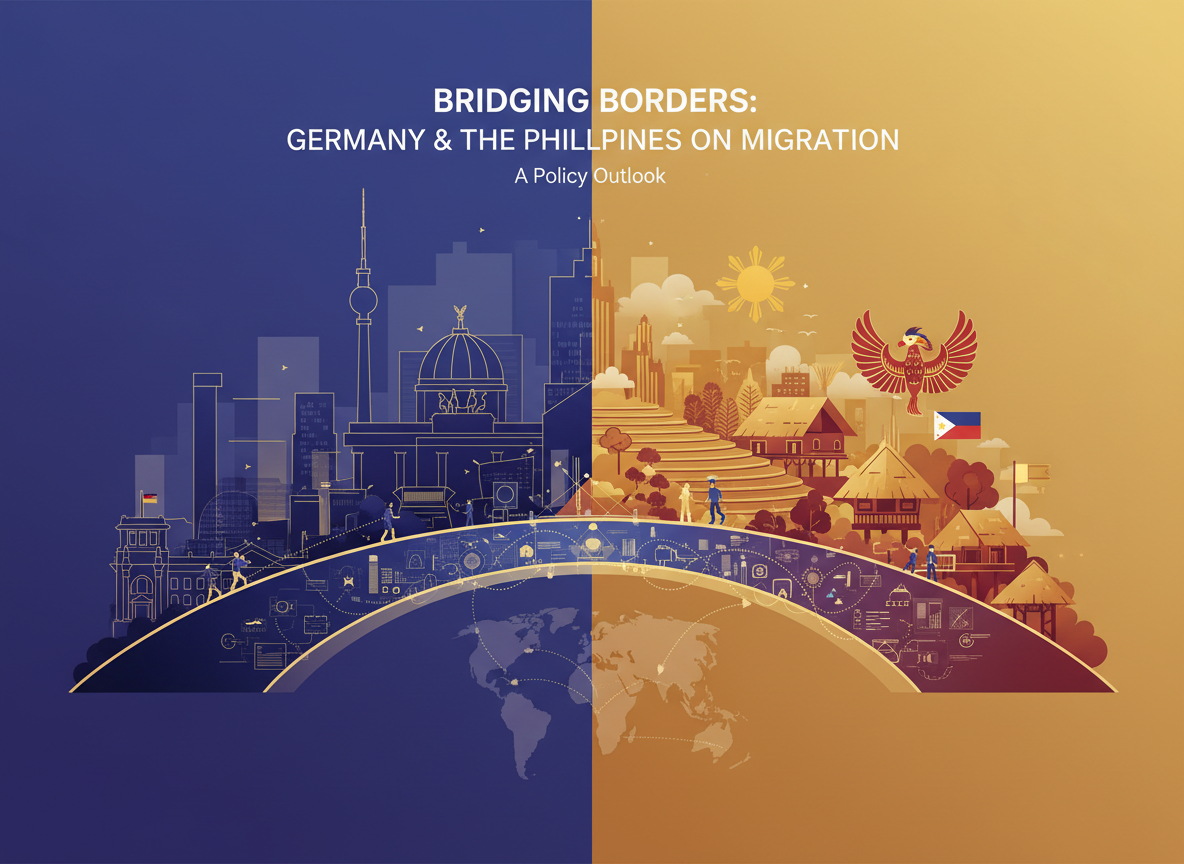
A groundbreaking research publication from the GIGA German Institute of Global and Area Studies in Hamburg is calling for a fundamental rethink of how Germany and the Philippines approach migration — moving beyond traditional labour-only frameworks toward a more comprehensive, mutually beneficial partnership.
What the Research Says
The GIGA Focus publication argues that the bilateral migration relationship has historically been narrowly focused on filling labour shortages — particularly in healthcare, hospitality, and skilled trades.
While labour migration remains critical (Germany deployed over 12,000 Filipino workers in 2024 alone), the researchers argue that a broader vision is needed. For the latest deployment data, see our article on growing demand for OFWs in Europe.
Key Takeaways for Filipino Workers
Germany's demand for Filipino workers is growing
The research confirms sustained, long-term demand — not just a temporary spike.
Migration pathways are expanding
New pathways include vocational training (Ausbildung), skills recognition agreements, and bilateral labour agreements.
Integration support is becoming a priority
Better integration support including language assistance, cultural orientation, and community-building programmes.
The Philippines is a preferred source country
Filipino workers are highlighted for their English proficiency, strong work ethic, adaptability, and cultural compatibility.
Sectors with the Highest Demand in Germany
The sectors with the strongest demand include:
For salary details by sector, see our 2026 salary guide.
What “Beyond Labour” Means
The GIGA researchers argue the relationship should evolve to include:
- →Skills recognition agreements — making Filipino qualifications recognised in Germany
- →Educational exchange programmes — pathways for Filipino students and trainees
- →Diaspora engagement — leveraging the existing Filipino community in Germany
- →Circular migration — allowing workers to move between countries more flexibly
- →Development partnerships — ensuring migration benefits both countries
The Germany-Philippines migration corridor has the potential to become a model for how developed and developing nations can build mutually beneficial migration partnerships.
Ready to be part of this growing movement?
Register on CareerGate and get matched with vetted employers in Germany, Greece, and beyond. Start your application →
Related Articles
Germany Soon to Recruit Skilled Filipino Workers: Electricians, Engineers & More
Growing Demand for OFWs in Europe: Central & Eastern Europe Opens Up
How to Prepare for Your First Job in Europe as a Filipino
Explore more resources for Filipino workers heading to Europe: